
-
-
-
 Iqtisod,
 -
-
-
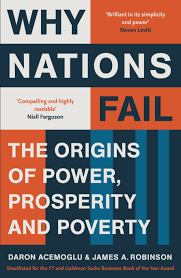
Why Nations Fail:The Origins of Power, Prosperity and Poverty
James A. Robinson and Daron Acemoglu,Iqtisod,
-
-
-
-
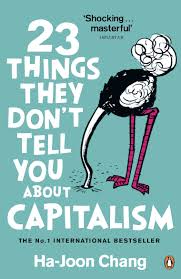
23 Things They Don't Tell You about Capitalism
Ha-Joon CHANG (Author),In "23 Things They Don't Tell You About Capitalism" one of today's most iconoclastic thinkers destroys the biggest myths about the world we live in. There's no such thing as a 'free' market. Globalization isn't making the world richer. We don't live in a digital world - the washing machine has changed lives more than the internet. Poor countries are more entrepreneurial than rich ones. Higher paid managers don't produce better results. This galvanizing, fact-packed book about money, equality, freedom and greed proves that the free market isn't just bad for people - it's an inefficient way of running economies too. Here Chang lays out the alternatives, and shows there's a better way.
-
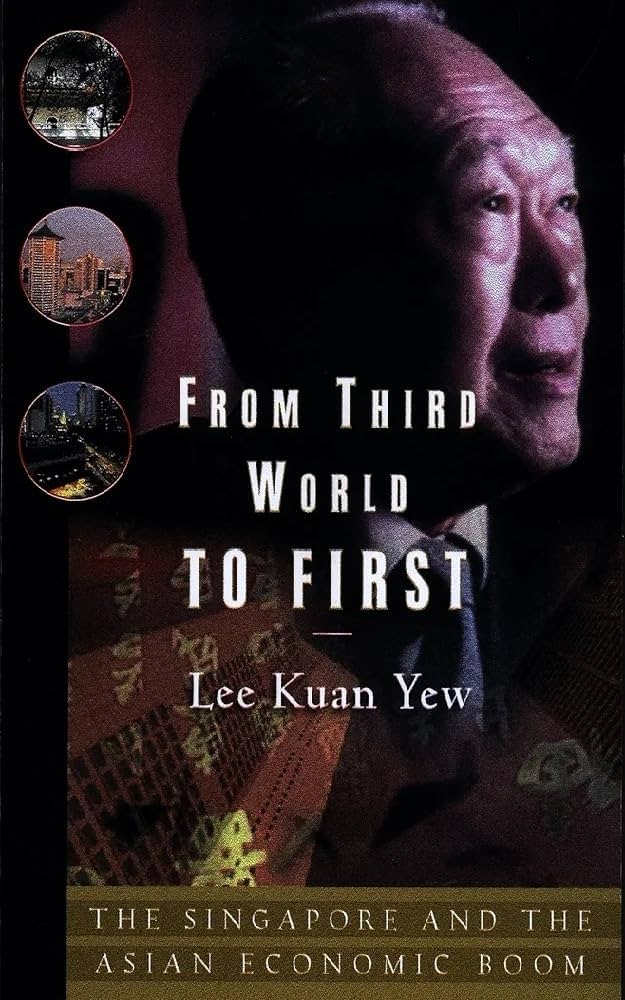
From Third World To First
Lee Yew,Few gave tiny Singapore much chance of survival when it was granted independence in 1965. How is it, then, that today the former British colonial trading post is a thriving Asian metropolis with not only the world's number one airline, best airport, and busiest port of trade, but also the world's fourth–highest per capita real income? The story of that transformation is told here by Singapore's charismatic, controversial founding father, Lee Kuan Yew. Rising from a legacy of divisive colonialism, the devastation of the Second World War, and general poverty and disorder following the withdrawal of foreign forces, Singapore now is hailed as a city of the future. This miraculous history is dramatically recounted by the man who not only lived through it all but who fearlessly forged ahead and brought about most of these changes. Delving deep into his own meticulous notes, as well as previously unpublished government papers and official records, Lee details the extraordinary efforts it took for an island city–state in Southeast Asia to survive at that time.
-
Why Nations Fail:The Origins of Power, Prosperity and Poverty
James A. Robinson and Daron Acemoglu,A provocative bestseller that explains why the world is divided into nations with wildly differing levels of prosperity. Why are some nations more prosperous than others? Why Nations Fail sets out to answer this question, with a compelling and elegantly argued new theory: that it is not down to climate, geography or culture, but because of institutions. Drawing on an extraordinary range of contemporary and historical examples, from ancient Rome through the Tudors to modern-day China, leading academics Daron Acemoglu and James A. Robinson show that to invest and prosper, people need to know that if they work hard, they can make money and actually keep it - and this means sound institutions that allow virtuous circles of innovation, expansion and peace.