
-
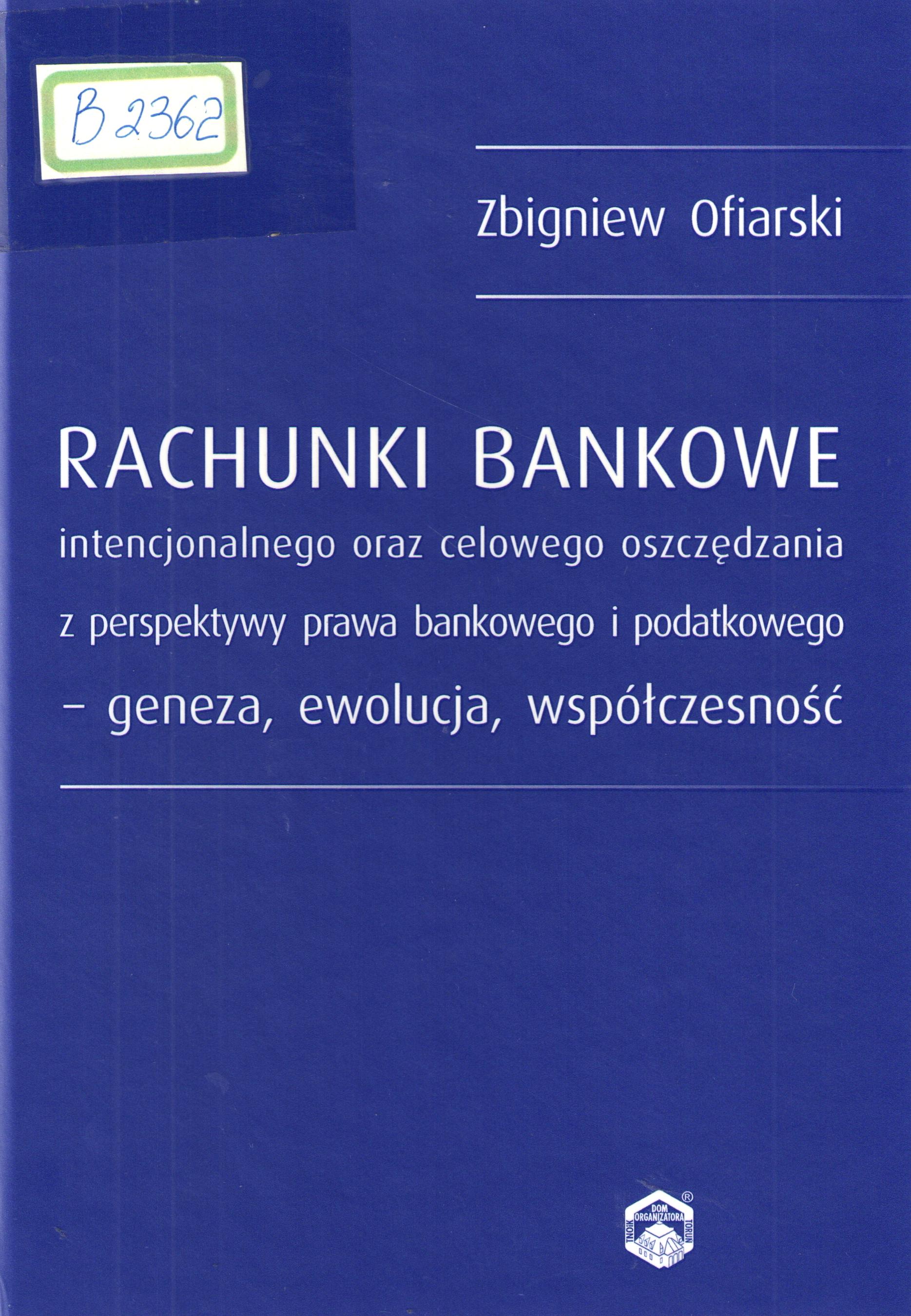
Rachunki bankowe intencjonalnego oraz celowego oszczędzania z perspektywy prawa bankowego i podatkowego geneza, ewolucja, współczesność
Ofiarski Z.,Książka, którą nabyłeś, jest dziełem twórcy i wydawcy. Prosimy, abyś przestrzegał praw, jakie im przysługują. Jej zawartość możesz udostępnić nieodpłatnie osobom bliskim lub osobiście znanym. Ale nie publikuj jej w internecie. Jeśli cytujesz jej fragmenty, nie zmieniaj ich treści i koniecznie zaznacz, czyje to dzieło. A kopiując jej część, rób to jedynie na użytek osobisty. SZANUJMY CUDZĄ WŁASNOŚĆ I PRAWO!
-
-
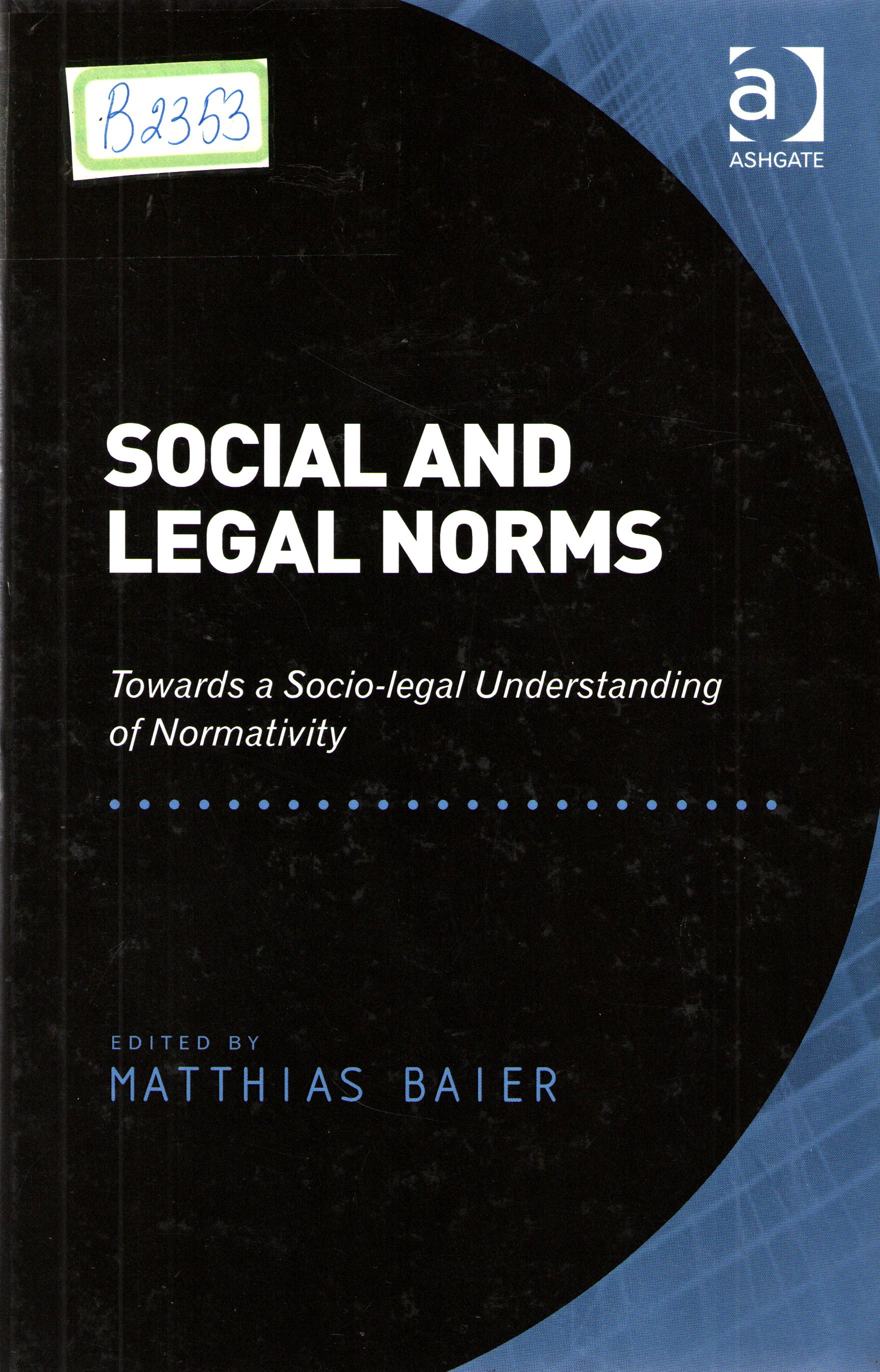
Social and legal norms
We live in an era where new areas of life are diversifying norms and values, thus constantly challenging established boundaries, practices and outlooks, but also giving rise to problems and uncertainties, which require normative solutions. The plurality of values in society challenges the possibility of generating one single universally valid normative solution. New technologies and social media offer new ways to communicate about normative issues and the centrality of formal law and how normativity comes about is a question for debate. This book offers empirical and theoretical research in the field of social and legal norms and will inspire future debate and research in terms of internationalization and cross-national comparative studies. It presents a consistent picture of empirical research in different social and organizational areas and will deepen the theoretical understanding regarding the interplay between social and legal norms. The contributors argue that normativity is a result of combinations between law in books, law in action, social norms and social practice. The book uses a variety of different international examples, ranging from Sweden, Uzbekistan, Colombia and Mexico. Primarily aimed at scholars in sociology of law, socio-legal studies, law and legal theory, the book will also interest those in sociology, political science and psychology.
-
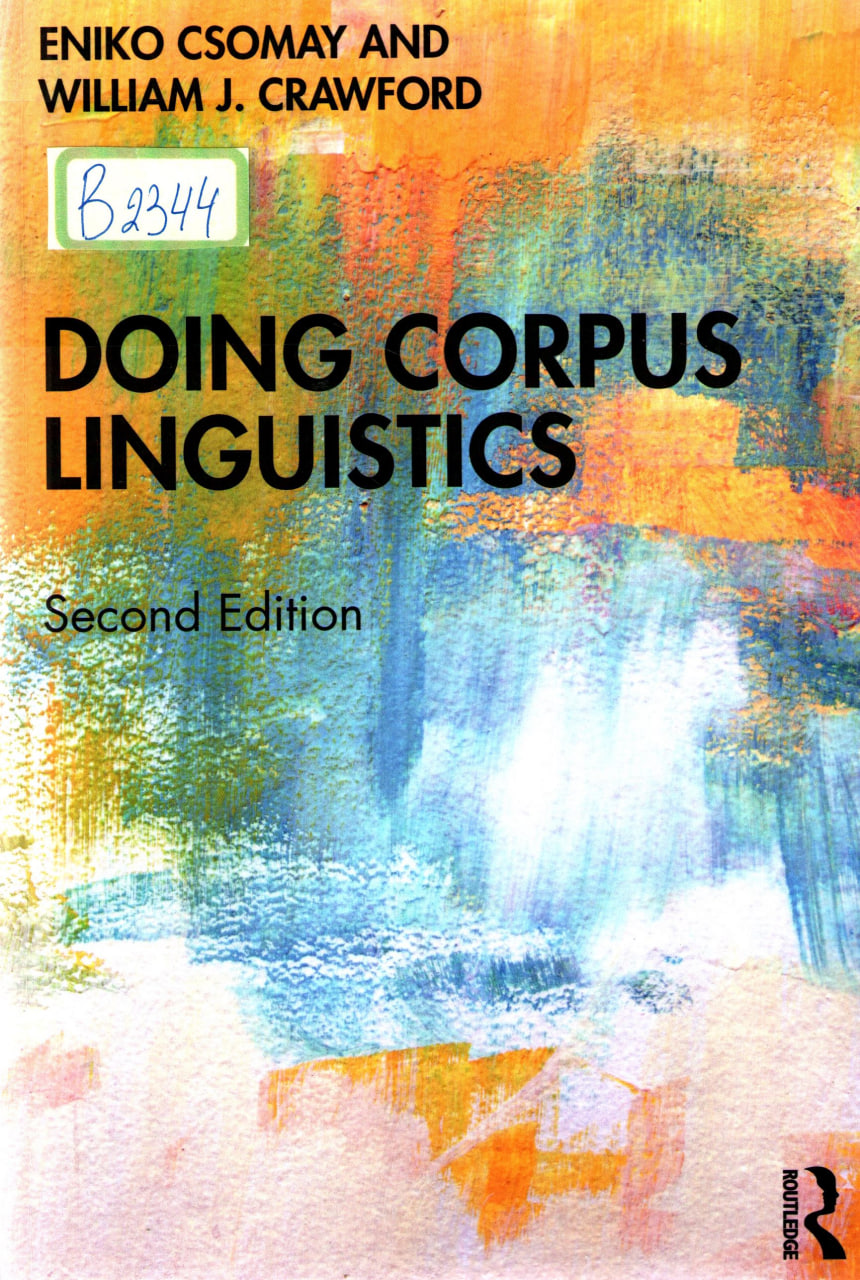
Doing corpus linguistics
Doing Corpus Linguistics offers a practical step-by-step introduction to corpus linguistics, making use of widely available corpora and of a register analysis-based theoretical framework to provide students in applied linguistics and TESOL with the understanding and skills necessary to meaningfully analyze corpora and carry out successful corpus-based research. This second edition has been thoroughly revised and updated with fresh exercises, examples, and references, as well as an extensive list of English corpora around the world. It also provides more clarity around the approach used in the book, contains new sections on how to identify patterns in texts, and now covers Cohen's statistical method. This practical and applied text emphasizes hands-on experience with performing language analysis research and interpreting findings in a meaningful and engaging way. Readers are given multiple opportunities to analyze language data by completing smaller tasks and corpus projects using publicly available corpora. The book also takes readers through the process of building a specialized corpus designed to answer a specific research question and offers detailed information on completing a final research project that includes both a written paper and an oral presentation of the reader's specific research projects. Doing Corpus Linguistics provides students in applied linguistics and TESOL with the opportunity to gain proficiency in the technical and interpretive aspects of corpus research and to encourage them to participate in the growing field of corpus linguistics.
-
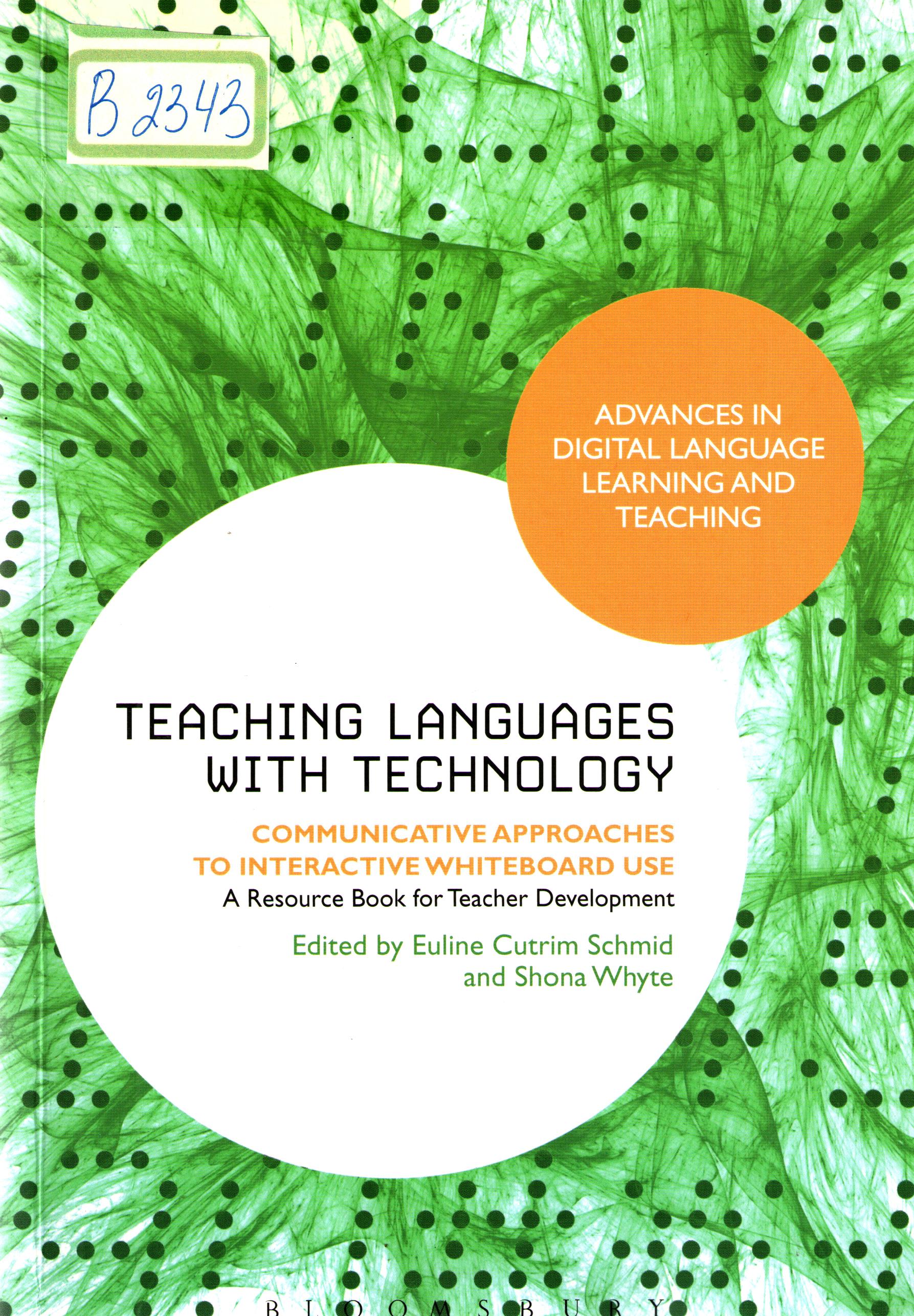
Teaching languages with technology
[],Euline Cutrim Schmid and Shona Whyte have asserted their right under the Copyright, Designs and Patents Act, 1988, to be identified as the Editors of this work. All rights reserved. No part of this publication may be reproduced or transmitted in any form or by any means, electronic or mechanical, including photocopying, recording, or any information storage or retrieval system, without prior permission in writing from the publishers. No responsibility for loss caused to any individual or organization acting on or refraining from action as a result of the material in this publication can be accepted by Bloomsbury or the author.
-
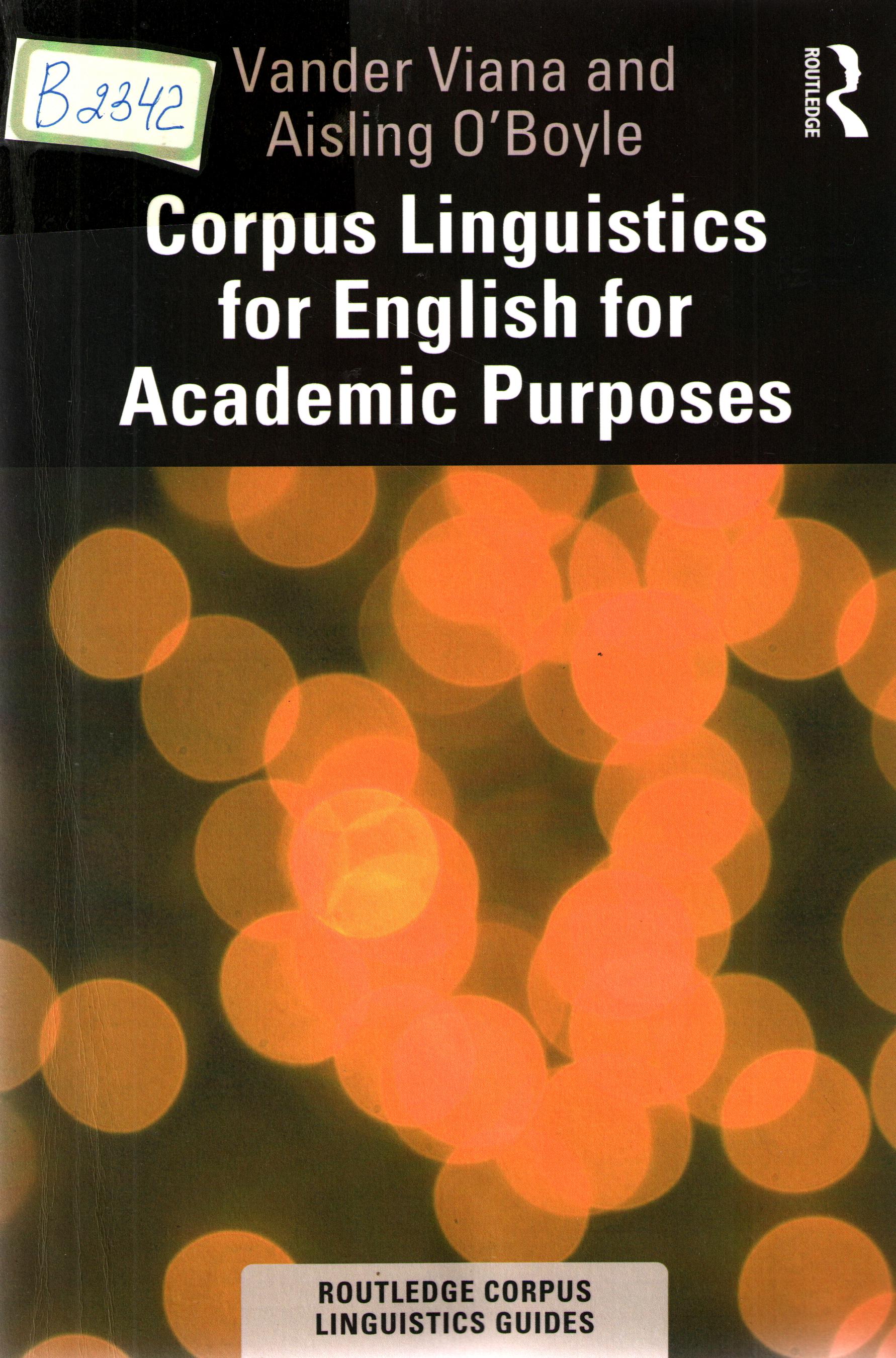
Corpus linguistics for English for Academic purposes
Viana V.,SERIES CONSULTANT: MICHAEL MCCARTHY Michael McCarthy is Emeritus Professor of Applied Linguistics at the University of Nottingham, UK, Adjunct Professor of Applied Linguistics at the University of Limerick, Ireland and Visiting Professor in Applied Linguistics at Newcastle University, UK. He is co-editor of the Routledge Handbook of Corpus Linguistics, editor of the Routledge Domains of Discourse series and co-editor of the Routledge Applied Corpus Linguistics series. SERIES CONSULTANT: ANNE O'KEEFFE Anne O'Keeffe is Senior Lecturer in Applied Linguistics and Director of the Inter-Varietal Applied Corpus Studies (IVACS) Research Centre at Mary Immaculate College, University of Limerick, Ireland. She is co-editor of the Routledge Handbook of Corpus Linguistics and co-editor of the Routledge Applied Corpus Linguistics series. SERIES CO-FOUNDER: RONALD CARTER Ronald Carter (1947-2018) was Research Professor of Modern English Language in the School of English at the University of Nottingham, UK. He was also the co-editor of the Routledge Applied Corpus Linguistics series, Routledge Introductions to Applied Linguistics series and Routledge English Language Introductions series. Routledge Corpus Linguistics Guides provide accessible and practical introductions to using corpus linguistic methods in key sub-fields within linguistics. Corpus linguistics is one of the most dynamic and rapidly developing areas in the field of language studies, and use of corpora is an important part of modern linguistic research. Books in this series provide the ideal guide for students and researchers using corpus data for research and study in a variety of subject areas.
-
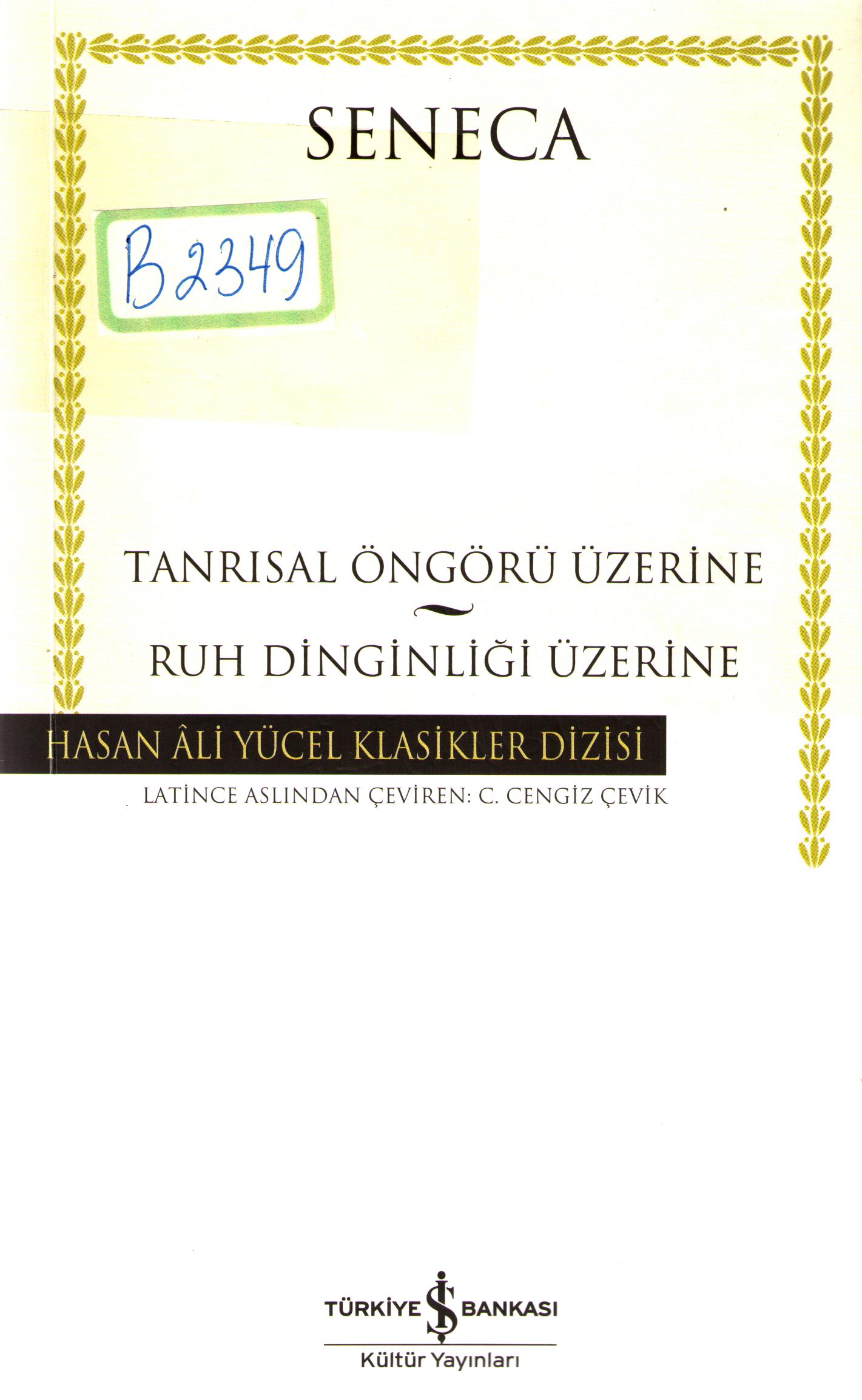
Tanrisal ongoru uzerine. Ruh dinginligi uzerine
Seneca,Seneca (MÖ 4'e doğru-MS 65): Devlet adamı ve filozofluğunun yanı sıra Roma tarihinin en önemli söylev ustalarından ve tragedya yazarlarından biridir. Babasının bir siyaset adamı ve hatip olarak yetiştirmek istediği Seneca, bir süre devlet işleriyle uğraştı ve sonunda kendini en sevdiği iş olan felsefeye adadı. Stoa öğretilerini içeren çok sayıda düşünce metni, mektup ve tragedya yazdı. Seneca, Tanrısal Öngörü Üzerine eserinde "tanrısal öngörü" fikrine dair görüşlerini ele alır; hiçbir şeyin rastgele gerçekleşmediğini, en düzensiz, en belirsiz şeylerin bile tüm evrene nüfuz eden bir tanrısal akıl tarafından yönetildiğini ileri sürer. Seneca'ya göre karşılaştığımız zorluklarsa aslında erdemlerimizi sergileme fırsatıdır. Ruh Dinginliği Üzerine eserindeyse Seneca, günümüz insanının da sıklıkla yaşadığı bıkkınlık, sürekli hedef değiştirme, kendinden hoşnut olmama gibi sorunların ruh dinginliğiyle giderilebileceğini gösterir.
-
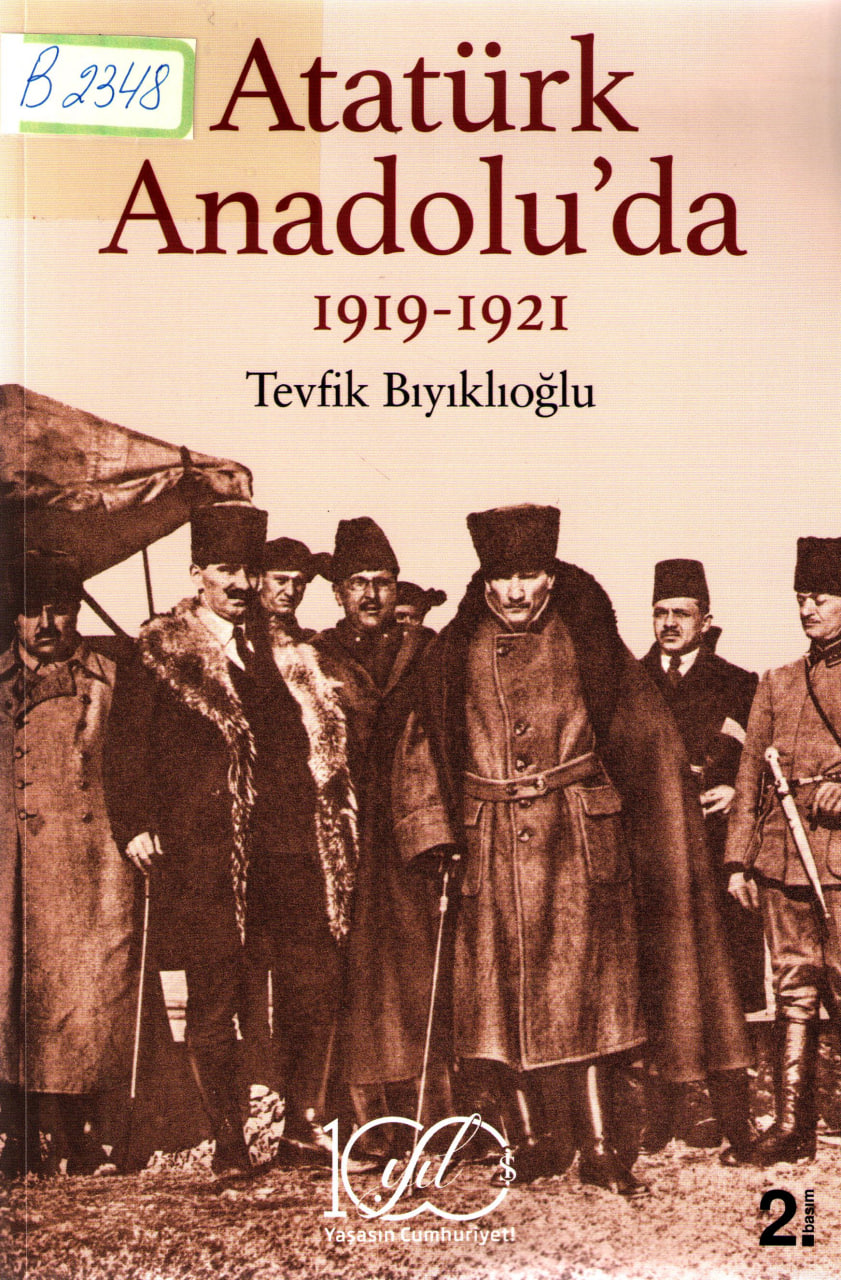
Ataturk anadolu'da 1919-1921
Biyilioglu T.,Bugünümüzü hazırlayan "Türk İhtilali"nin, henüz ilmi ve tam bir tarihi ni yazamamış olmamız, en büyük kusurumuzdur. O vakitten beri, şöyle böy le, aradan kırk yıl geçti. Ortaya koyabildiklerimiz, aralarında çok değerlileri bulunmakla beraber, "hatıralar, incelemeler ve denemeleri aşmamaktadır. Bu konu üzerine, içeride ve dışarıda yazılanlar arasında, büyük kurtarıcının öz ese ri olan Nutuk tarih için en başta gelen bir kaynak olarak kıymetini muhafaza etmektedir. Nutuk'un belgelerle desteklenmiş olması ona müstesna ve ilmi bir değer de vermektedir. Çünkü her olayı "tarihin yargılamasına bırakmamız" sırf tarihin vesikalara göre yazılmasından ileri gelmektedir.
-
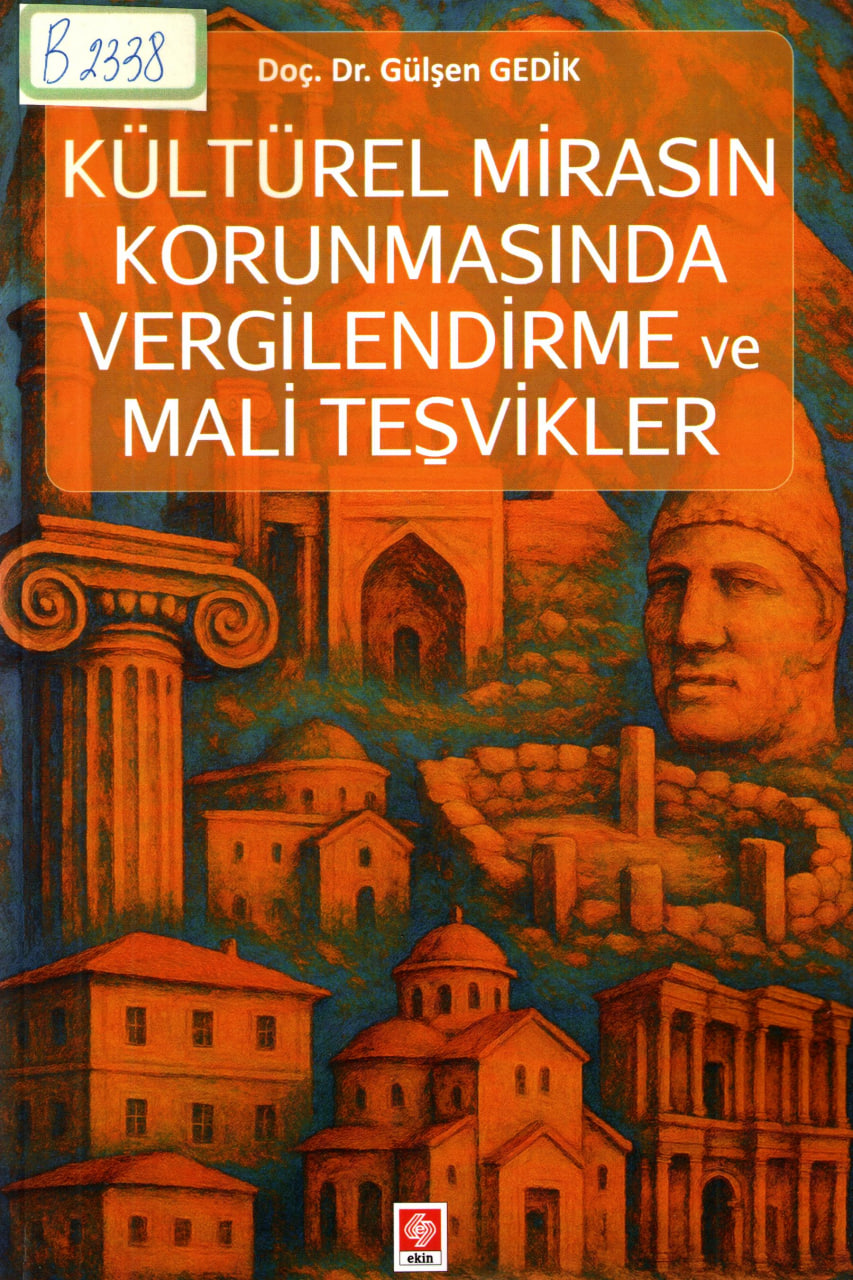
Kulturel mirasin korunmasinda vergilendirme ve mali tesvikler
Kültür, yaratıcı faaliyeti özendiren, gelişmesini kolaylaştıran toplumsal düzen olarak tanımlanır ve "belli bir toplumda yaratılmış değerlerin bütünü" biçiminde ifade edilir. İnsanlar için yaratıcı faaliyetler olmazsa gelişmekten de söz edilemez. Bir başka deyişle herhangi biçimde bir ortamda yaratıcılık özendiriliyorsa "kültür" doğmuştur. Ve bu yaratıcılık düzeninde yaratılan değerler de kültür kavramı içindedir.
-
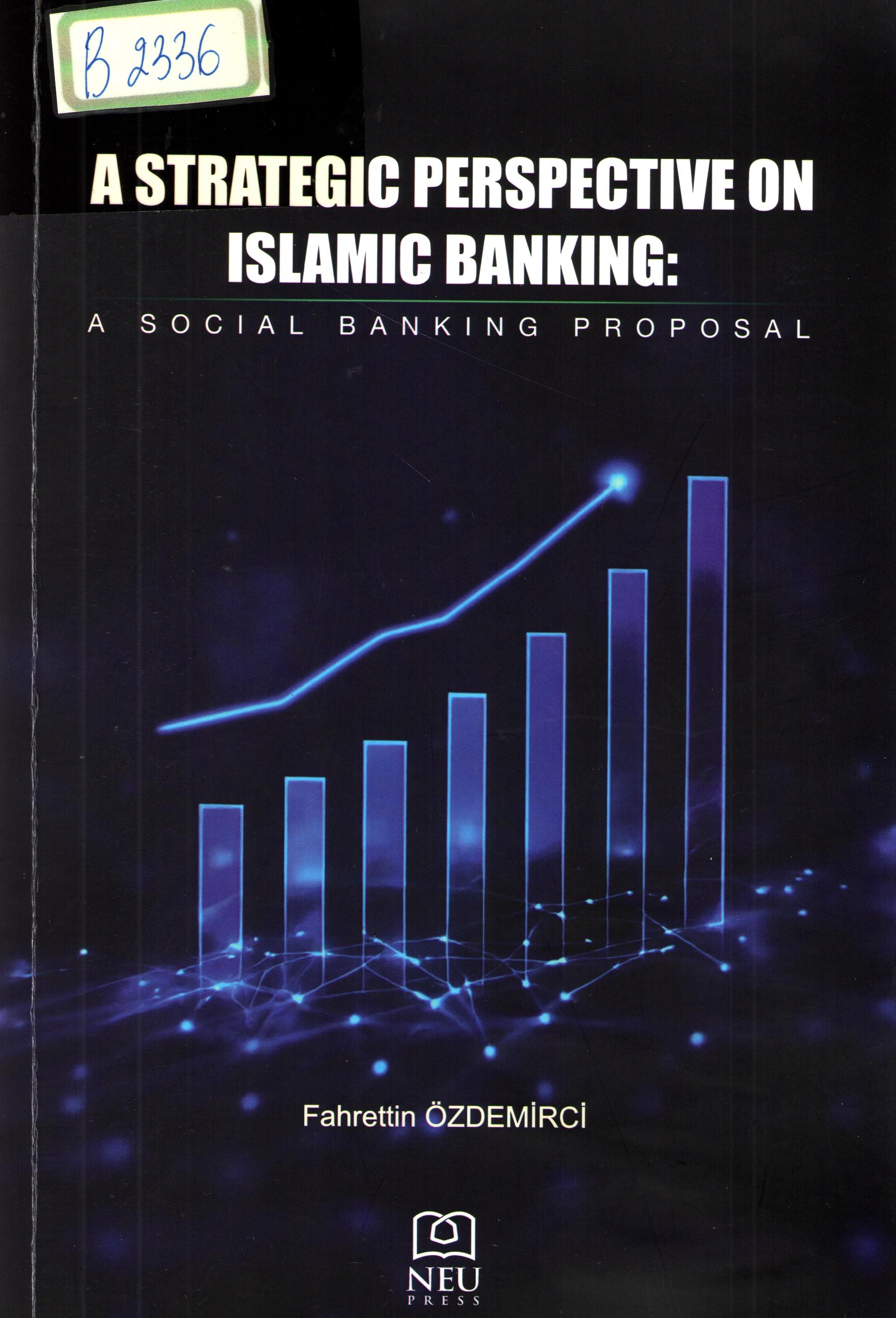
A strategic perspective on islamic banking: a social banking proposal.
Ozdemirci F.,Interest-free banking has long been explored as a more ethical, equitable, and socially responsible alternative to conventional finance. Yet a central question remains: Can a modern banking system be both sustainable and fully aligned with Islamic principles while operating without profit-driven lending? This book presents a compelling answer through the innovative concept of social banking-a non-profit, interest-free model designed to reinforce economic justice and eliminate the structural risks that fuel indebtedness. The model is built on Islamic financial principles and uses zakat funds, asset-backed transactions, and clear risk-sharing methods to ensure that financial stability is achieved without compromising ethical values.. Through rigorous analysis, historical insight, and econometric modelling, the book demonstrates how a non-profit banking structure can remain financially viable, socially impactful, and resilient in today's complex economic environment. Forward-looking and deeply grounded in scholarly research, this work offers policymakers, academics, and practitioners a practical roadmap for designing an interest-free banking system that is both sustainable in the long term and firmly rooted in Islamic values.
-
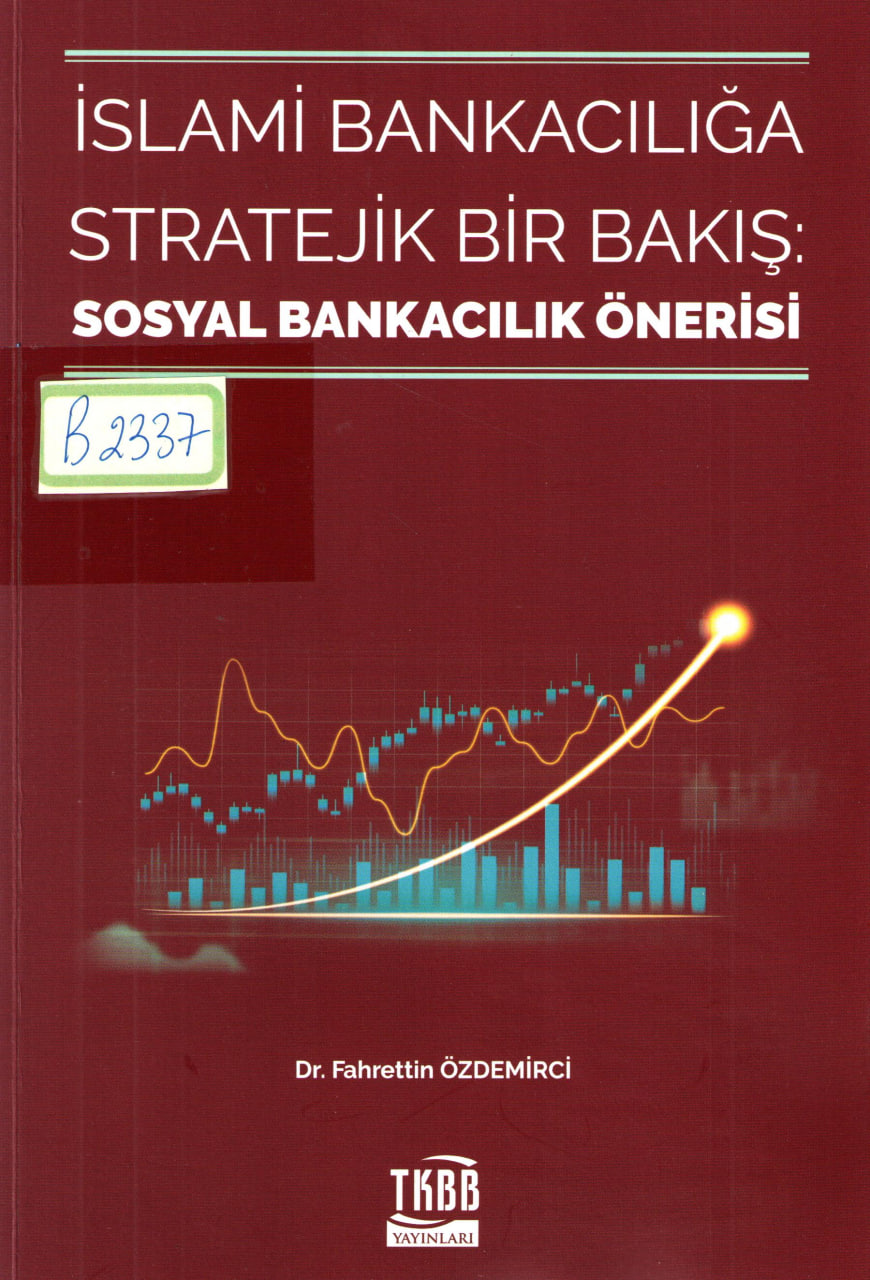
Islami bankaciliga stratejik bir bakis sosyal bankacilik onerisi.
Ozdemirci F.,Faizin ekonomiye etkileri faizden neden kaçınılması gerektiğinin anlaşılması açısından önem taşımaktadır. Faizin hem bireylerin ekonomisine hem de toplumun ekonomisine olumsuz etkileri bulunmaktadır. Faiz ile riba arasındaki kavram karmaşası çözülmesi gereken en temel sorunlardan birisidir. Faizsiz bankacılık sadece faizin ekonomiye olumsuz etkileri nedeniyle değil, inanç temelli yaklaşımın da zorunlu gördüğü bir sistemdir. İhtiyaçlarla varlıkların aynı anda bir arada bulunamaması borçlanma ihtiyacını doğurmuştur. Günümüzde faizsiz olarak borç almanın ve vermenin nerdeyse imkânı kalmamıştır. Bu çalışma ile gerçek anlamda faizsiz bankacılığın nasıl olması gerektiği üzerine yeni önerilerde bulunulmuştur.
-
Fikri mulkiyet hukukunda guncel gelismeler uluslararasi sempozyumu
Birincisini bu yıl gerçekleştirdiğimiz Uluslararası fikri mülkiyet Sempozyumu bildirilerinin tam metinlerinden oluşan bildiriler kitabını siz okurlara sunmaktan büyük onur duymaktayız. Bildiri özet kitabı sempozyum öncesinde yayımlanarak sempozyumda katılımcılara ulaştırılmıştı. Bu defa tam metinlerden oluşan bu kitap ile okurlara fikri mülkiyet alanında birçok konuda faydalı olmayı umuyoruz. Fikri mülkiyet sahası içine girildikçe sizi daha derinlere çeken ve kopama- yacağınız zevkli bir alan. TRIPS, Uluslararası anlaşmalar ve AB Direktifleri ile iç içe girmiş Fikri mülkiyet mevzuatımızın güncel gelişmeleri yakalayabilmesi için diğer ülkelerde olduğu gibi daha yol alması gereken birçok boşluklar doğmakta.
-
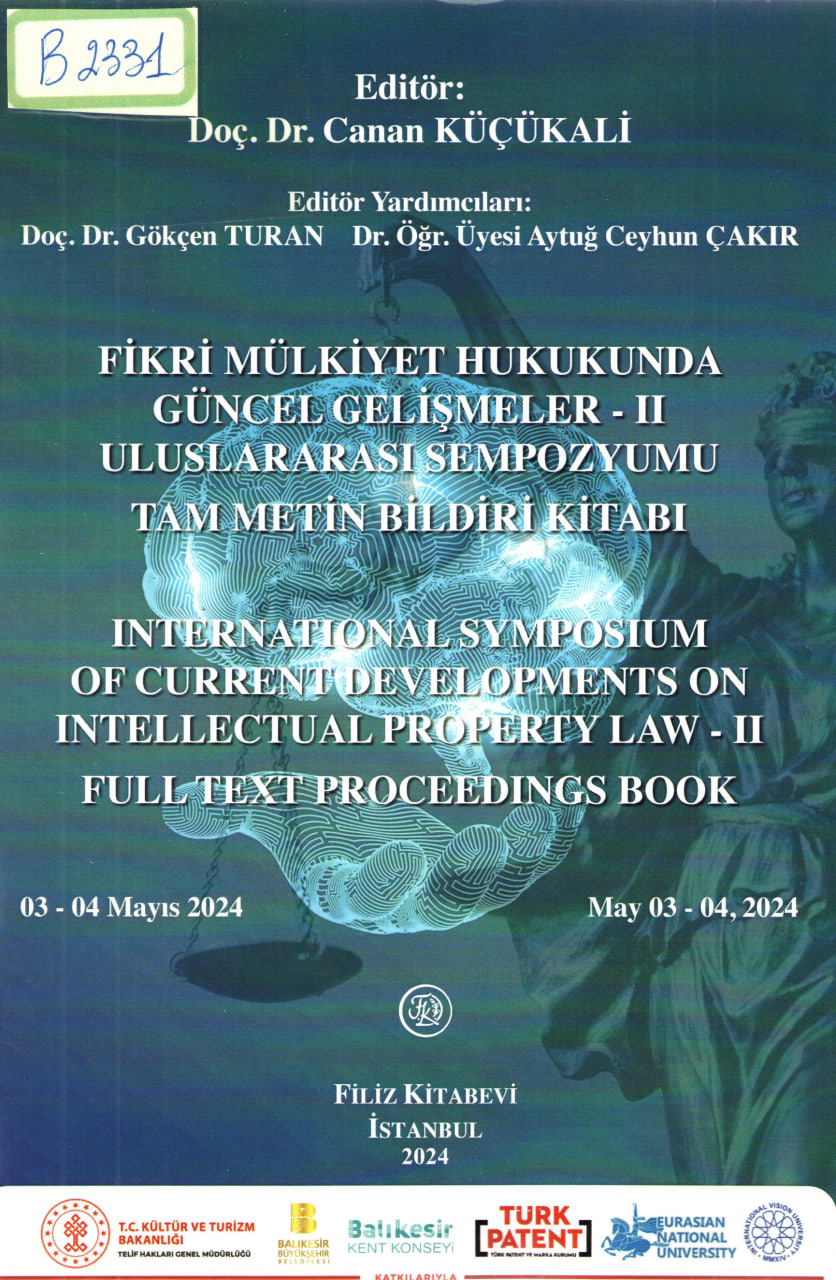
FİKRİ MÜLKİYET HUKUKUNDA GÜNCEL GELİŞMELER - II ULUSLARARASI SEMPOZYUMU TAM METİN BİLDİRİ KİTABI
Bu yıl ikincisini gerçekleştirdiğimiz Fikri Mülkiyet Hukukunda Güncel Gelişmeler Uluslararası Sempozyumu bildirilerinin tam metinle- rinden oluşan bildiriler kitabını siz okurlara sunmaktan büyük onur duymaktayız. T.C. Kültür ve Turizm Bakanlığı Telif Hakları Genel Mü- dürlüğü'nün desteği ile International Vision University ve Eurasian Na- tional University'nin katkılarıyla bu yıl çok daha yüksek katılımlı Ulus- lararası bir Sempozyum gerçekleştirdik. Fikri mülkiyet sahası, içine girildikçe sizi daha derinlere çeken ve kopamayacağınız zevkli bir alan. TRIPS, Uluslararası anlaşmalar ve AB Direktifleri ile iç içe girmiş olan fikri mülkiyet mevzuatımızın güncel gelişmeleri yakalayabilmesi için diğer ülkelerde olduğu gibi daha yol alması gereken birçok boşluklar doğmakta.
-
Practical language testing
Fulcher G.,All rights reserved. No part of this publication may be reproduced or transmitted in any form or by any means, electronically or mechanically, including photocopying, recording or any information storage or retrieval system, without either prior permission in writing from the publisher or a licence permitting restricted copying. In the United Kingdom such licences are issued by the Copyright Licensing Agency: Saffron House, 6-10 Kirby Street, London ECIN 8TS. Hachette UK's policy is to use papers that are natural, renewable and recyclable products and made from wood grown in sustainable forests. The logging and manufacturing processes are expected to conform to the environmental regulations of the country of origin. The advice and information in this book are believed to be true and accurate at the date of going to press, but neither the author nor the publisher can accept any legal responsibility or liability for any errors or omissions.
-
Sematik idare hukuku
Yayla A.,Elinizde bulunan bu kitap hukuk fakültesi lisans derslerinde anlatılan İdare Hukuku der- sinin konularını şemalarla ve tablolarla aktarmaya çalışmaktadır. Bu bakımdan kitap öncelik- le lisans öğrencileri tarafından dersin kolay anlaşılabilmesine hizmet etmektedir. Bunun yanı sıra, kitapla, uygulamacılar tarafından temel kuralların hızlıca gözden geçirebilmesi de hedef- lenmiştir. Hukuk Fakültemizin dekanı, değerli hocamız Prof. Dr. Emre Gökyayla'ya sağladığı rahat, kaliteli ve mutlu çalışma ortamı için minnettarız. Kitabın hazırlanması sürecinde hiçbir yardımı esirgemeyen Dr. Deniz Meraklı Yayla'ya teşekkür ederiz. Kitabın basılmasında emeği geçen Sayın Mutlu Dinç, Sayın Sercan Ceber ve diğer tüm Seçkin Yayıncılık çalışanlarına teşekkürü borç biliriz.
-
Sematik idare yargilama hukuku
Yayla A.,Elinizde bulunan bu kitap hukuk fakültesi lisans derslerinde anlatılan İdare Hukuku der- sinin konularını şemalarla ve tablolarla aktarmaya çalışmaktadır. Bu bakımdan kitap öncelik- le lisans öğrencileri tarafından dersin kolay anlaşılabilmesine hizmet etmektedir. Bunun yanı sıra, kitapla, uygulamacılar tarafından temel kuralların hızlıca gözden geçirebilmesi de hedef- lenmiştir. Hukuk Fakültemizin dekanı, değerli hocamız Prof. Dr. Emre Gökyayla'ya sağladığı rahat, kaliteli ve mutlu çalışma ortamı için minnettarız. Kitabın hazırlanması sürecinde hiçbir yar- dımı esirgemeyen Dr. Deniz Meraklı Yayla'ya teşekkür ederiz. Kitabın basılmasında emeği geçen Sayın Mutlu Dinç, Sayın Sercan Ceber ve diğer tüm Seçkin Yayıncılık çalışanlarına teşekkürü borç biliriz.
-
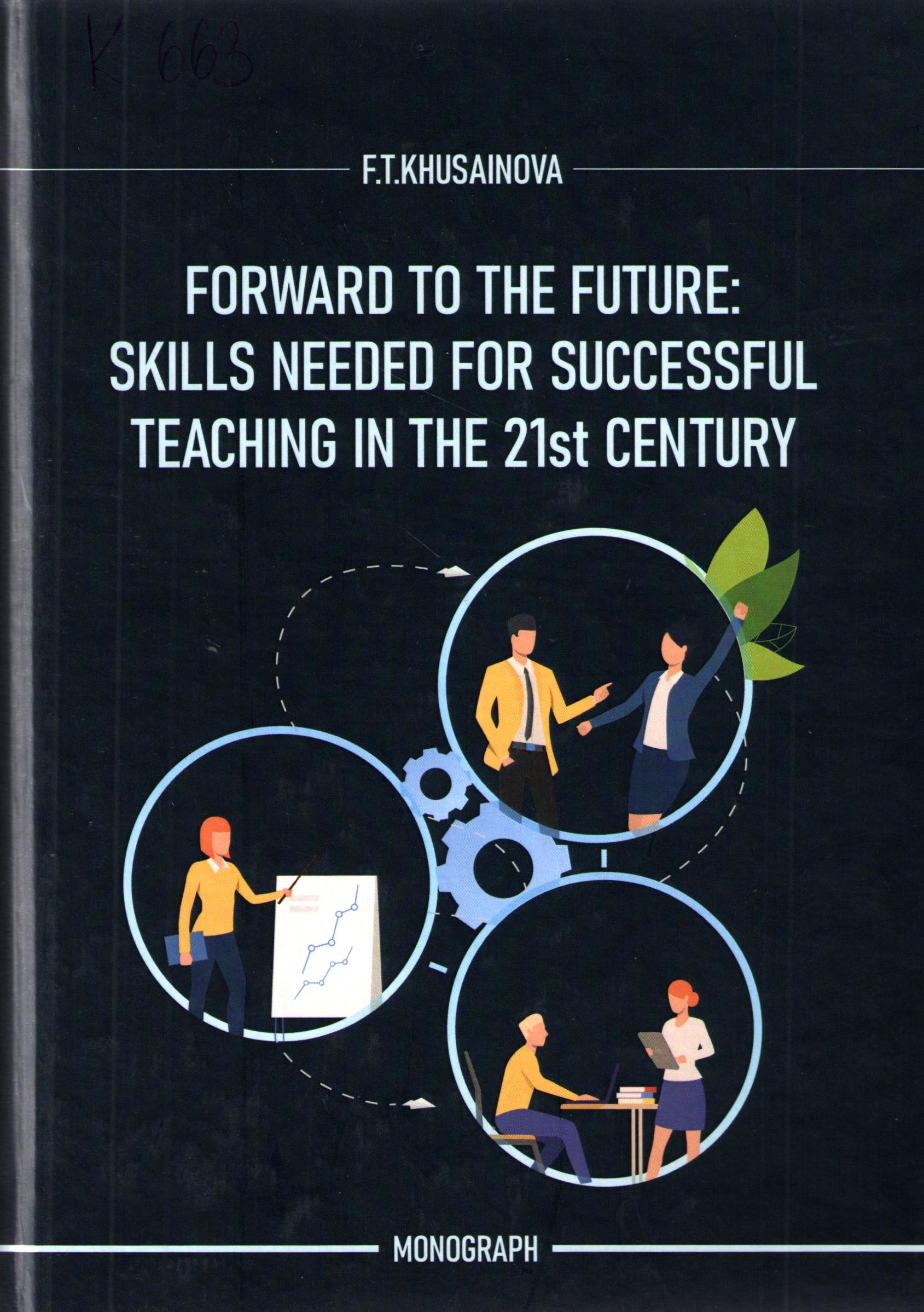
Forward to the future: skills needed for successful teaching in the 21st century
Khusainova F.T.,Teaching requires a constant commitment to self-improvement and the ability to adapt to changes. A successful career in this field requires more than just a deep knowledge of the subject. It also involves the ability to effectively communicate information, motivate students, and create an environment conducive to their growth. This monograph is intended for teachers, methodologists, and professionals in the field of modern pedagogical education, as well as for anyone seeking professional and personal growth in the field of education. It focuses on the key aspect of modern teaching: the development of soft skills, which are essential for achieving high levels of effectiveness in teaching in a rapidly changing world. The monograph was written to show that professional knowledge is no longer a sufficient condition for success today. In the context of digitalization, the introduction of artificial intelligence and the growing demands on the educational process, soft skills are of particular importance. The purpose of the monograph is to help teachers consciously develop soft skills as a basis for successful self-realization, sustainable professional growth and the formation of a motivational, supportive environment for students. This monograph is recommended for publication by protocol Nº 8, dated June 20, 2025, at the meeting of the Scientific and Methodological Council of the Tashkent State University of Law.
-
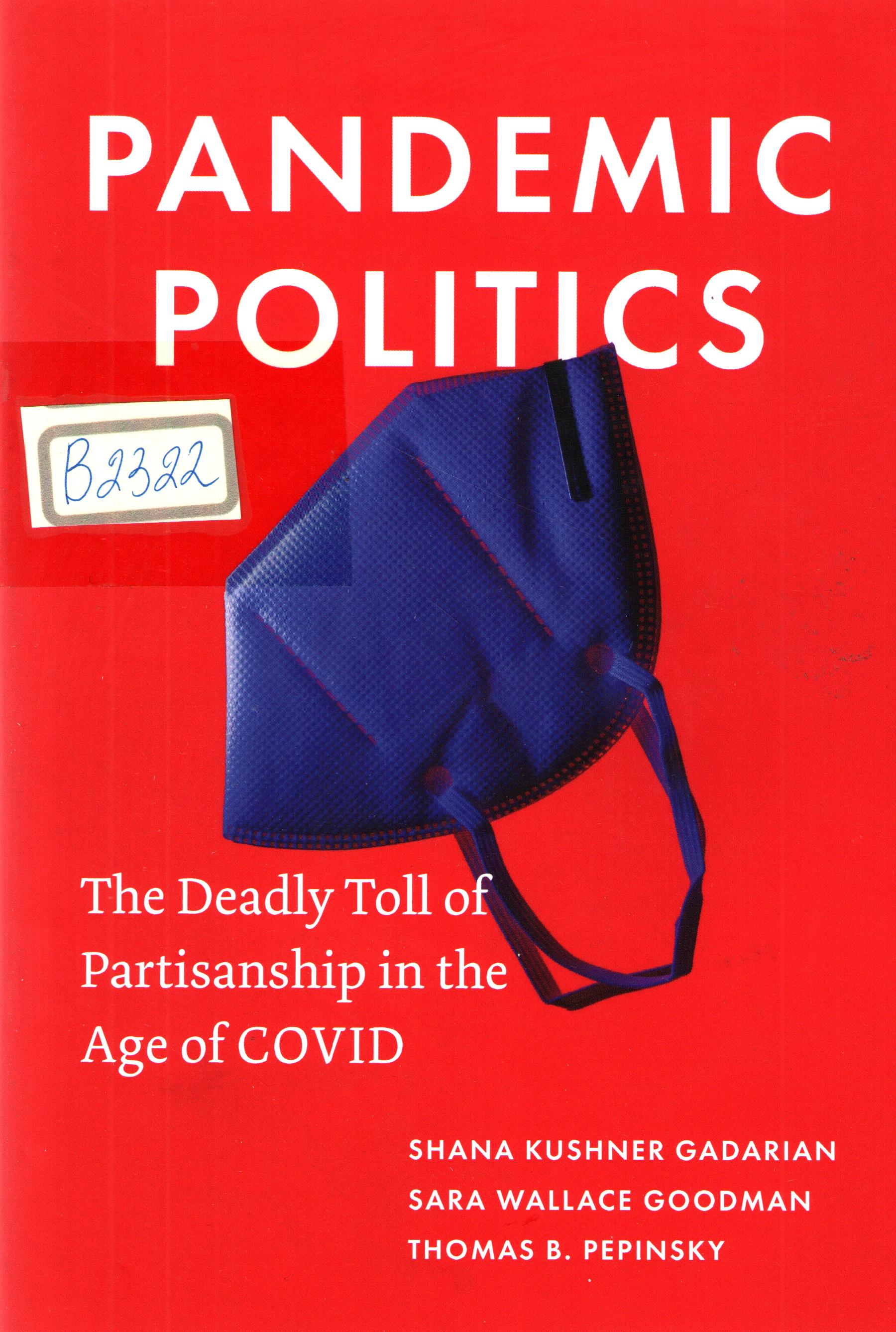
Pandemic politics the deadly toll of partisanship in the age of COVID
Gadarian Sh.K.,PRAISE FOR PANDEMIC POLITCS "In elegant and accessible prose, Pandemic Politics delivers a sobering message. Relying on an impressive six-wave panel study, the authors convincingly show that polarized politics crippled the American response to the COVID-19 pandemic. Anyone interested in understanding our flawed response to this health crisis should read this important book." VINCENT L. HUTCHINGS, University of Michigan "In the future, when people are aiming to identify an objective source for what occurred during the COVID-19 pandemic, Pandemic Politics should be at the top of the reading list. This book uses panel survey data to assess attitudes from a diverse group of Americans, often comparing outcomes to other countries. Importantly, this book not only grapples with COVID-19, but the multiple pandemics of systemic racism, police brutality, and political polarization."
-
Economic statecraft
Baldwin D.A.,A NEW EDITION OF THE CLASSIC WORK ON THE ECONOMIC TOOLS OF FOREIGN POLICY Economic Statecraft is a landmark work that has fundamentally redefined how nations evalu- ate crucial choices of war and peace. Now with a substantial new preface by the author and an afterword by esteemed foreign-policy expert Ethan Kapstein, this new edition introduces today's generation of readers to the principles and applications of economic statecraft. "Economic Statecraft remains our field's definitive work on the use of economic measures to achieve foreign-policy objectives. Generations of students and scholars have been and will continue to be inspired by Baldwin's conceptual insight, logical clarity, and refreshingly straight- forward writing style. This is a true classic of international relations." -MICHAEL MASTANDUNO, Dartmouth College.
-
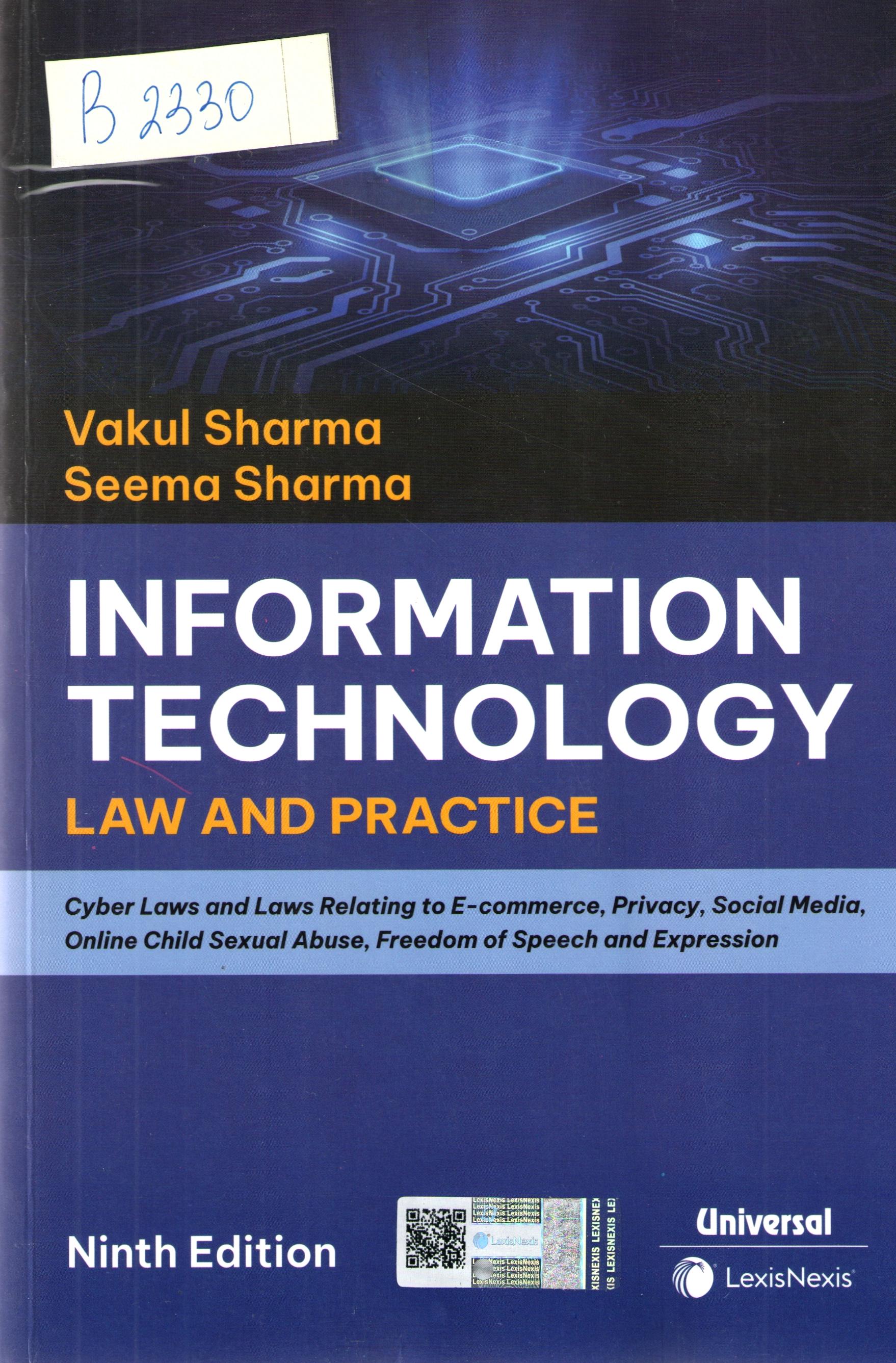
Information technology law and practice
Sharma V.,Due care has been taken while editing and printing this book. Neither the author nor the publisher of the book hold any responsibility for any mistake that may have inadvertently crept in. The publisher has taken all care and effort to ensure that the legislative provisions reproduced here are accurate and up to date. However, the publisher takes no responsibility for any inaccuracy or omission contained herein for advice, action or inaction based hereupon. Reference must be made to the Official Gazette issued by the Government of India for the authoritative text of any Act, Rule, Regulation, Notification or Order. The publisher shall not be liable for any direct, consequential, or incidental damages arising out of the use of this book. In case of binding mistake, misprints, or missing pages etc., the publisher's entire liability, and your exclusive remedy, is replacement of this book within one month of purchase by similar edition/reprint of the book. Printed and bound in India.