
-
-
-
-
-
-
-
-
Huquqshunoslik,
-
-
-
-
-
-
-
-
-
-
-

-
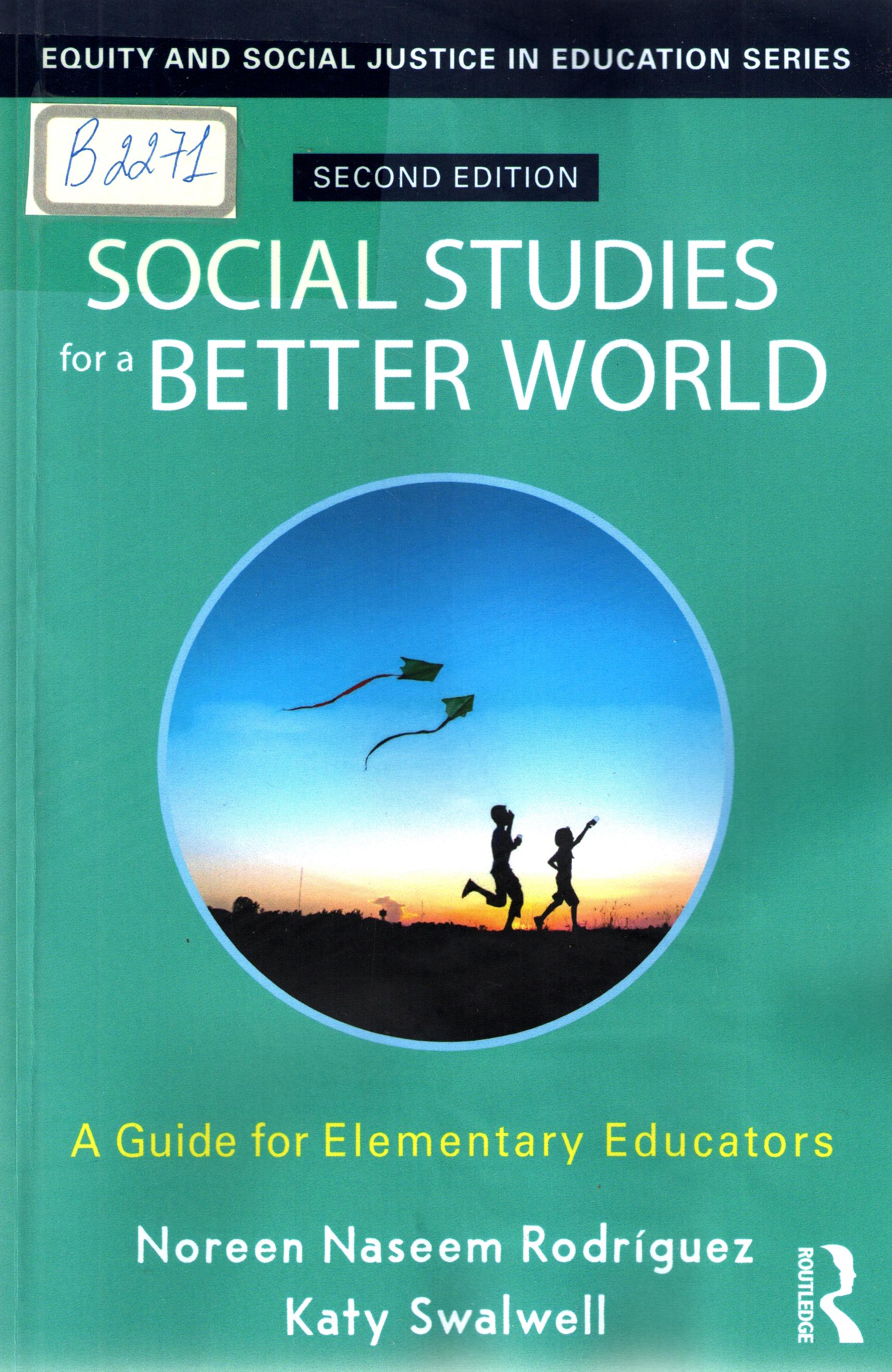
Social studies for a better world
Rodriguez N.N.,Giving young people opportunities to grapple with injustices and complex social problems can inspire them to build a better world. In this bestselling book, two experienced social studies educators lay out their vision for an elementary social studies education that will help young people find value in learning about the world as they consider how to make their communities more just, equitable, and healthy. Rodriguez and Swalwell unpack the problems that so often characterize the elementary curriculum- normalization, idealization, heroification, and dramatization and show how common pitfalls can be replaced with creative solutions. This timely second edition discusses increasingly important topics like book bans and the rise of Al, provides updated research and resources, and includes strategies for teaching anti-oppressive social studies even when circumstances are less than ideal Whether you're a classroom teacher, methods student, or curriculum coordinator, this is a book that can transform your understanding of the social studies disciplines and their power to disrupt the narratives that maintain current inequities.
-
-
-
-
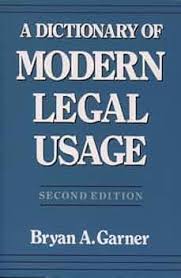
A Dictionary of Modern Legal Usage. 2nd Edition
Bryan A. Garner (Author),Garner's Dictionary of Modern Legal Usage gives authoritative guidance on all the vexing questions that legal writers face, from correcting grammatical errors to framing legal issues to distinguishing between similar but distinct legal terms. With great detail and care, Garner explains what legalese is, how it can be simplified, and how far legal writers can go in simplifying it. The topics are alphabetically arranged for ease of reference: simply look up any phrase or grammatical category you're interested in, and you're likely to find the final word on the subject. Shortly after the completion of this massively expanded second edition, the late Charles Alan Wright said: "The first edition of this book has been praised around the world as both the most reliable guide to legal usage and the most fascinating to read. The second edition outdoes even its predecessor."
-
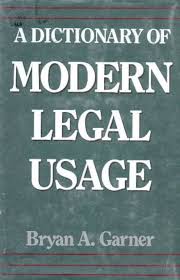
A Dictionary of Modern Legal Usage
Bryan A. Garner (Author),In recent years, the need for clarity and precision in legal writing has been the subject of increasing attention. Until now, however, the unwieldy body of legal usage has remained uncollected and unscrutinized in any systematic way. The first comprehensive guide to style and usage for the legal writer, A Dictionary of Modern Legal Usage provides accessible, authoritative, and up-to-date information that will enable lawyers, judges, students, scholars, and those who work in other fields concerned with legal language--such as journalism, medicine, business, and finance--to make their legal writing as clear and precise as possible by resolving questions of phraseology, diction, grammar, and style. The entries, arranged alphabetically, discuss distinctions among variant forms of legal terms, expose common pitfalls in legal writing, and include brief essays on such special topics as metaphors, sexism, clichés, initialese, misspellings, preferred spellings, Latinisms, grammar, and distinctions of meaning. In addition, the entries are highlighted with illustrations from such sources as judicial opinions, statutes, briefs, and law review articles.
-
-
-
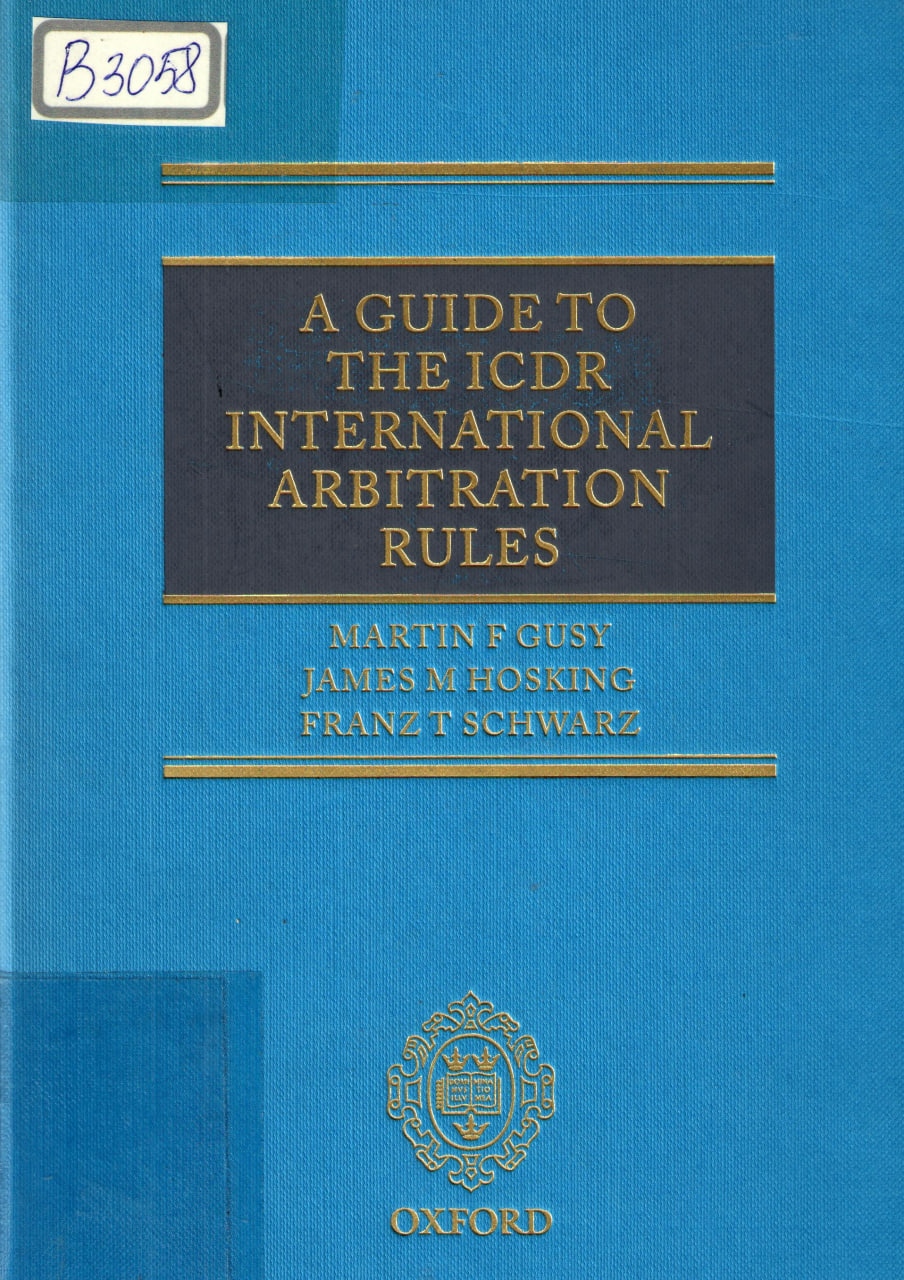
A Guide to thr icdr international arbitration rules
Gusy M.,All rights reserved. No part of this publication may be reproduced, stored in a retrieval system, or transmitted, in any form or by any means, without the prior permission in writing of Oxford University Press, or as expressly permitted by law, by licence or under terms agreed with the appropriate reprographics rights organization. Enquiries concerning reproduction outside the scope of the above should be sent to the Rights Department, Oxford University Press, at the address above.
-
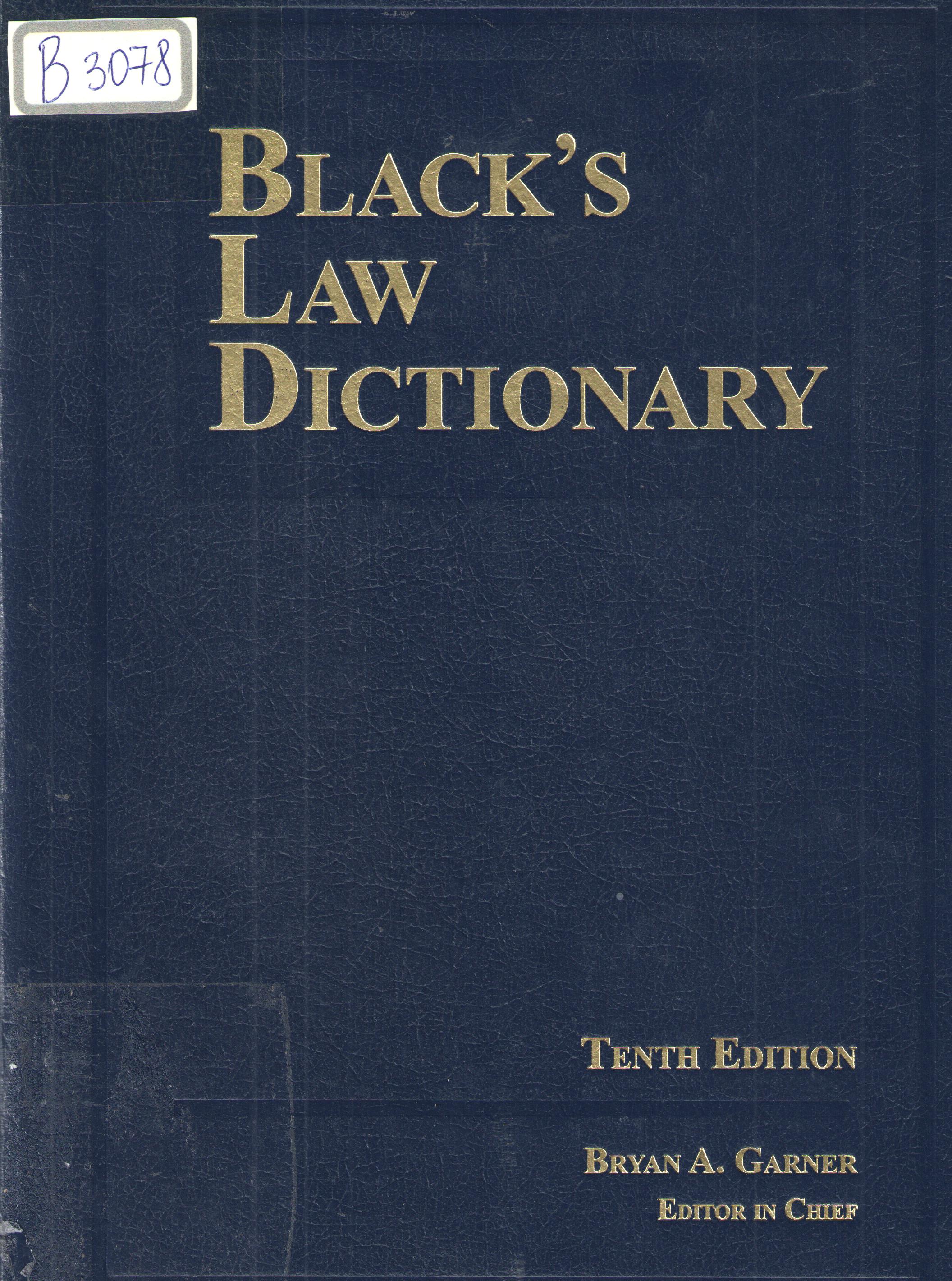
Black's law Dictionary
Garner B.A.,Although this publication was created to provide you with accurate and authoritative information about legal terminology, it was not necessarily prepared by persons licensed to practice law in a particular jurisdiction. The publisher is not engaged in rendering legal or other professional advice, and this publication is not a substitute for an attorney's advice. If you require legal or other expert advice, you should seek the services of a competent attorney or other professional.
-
-
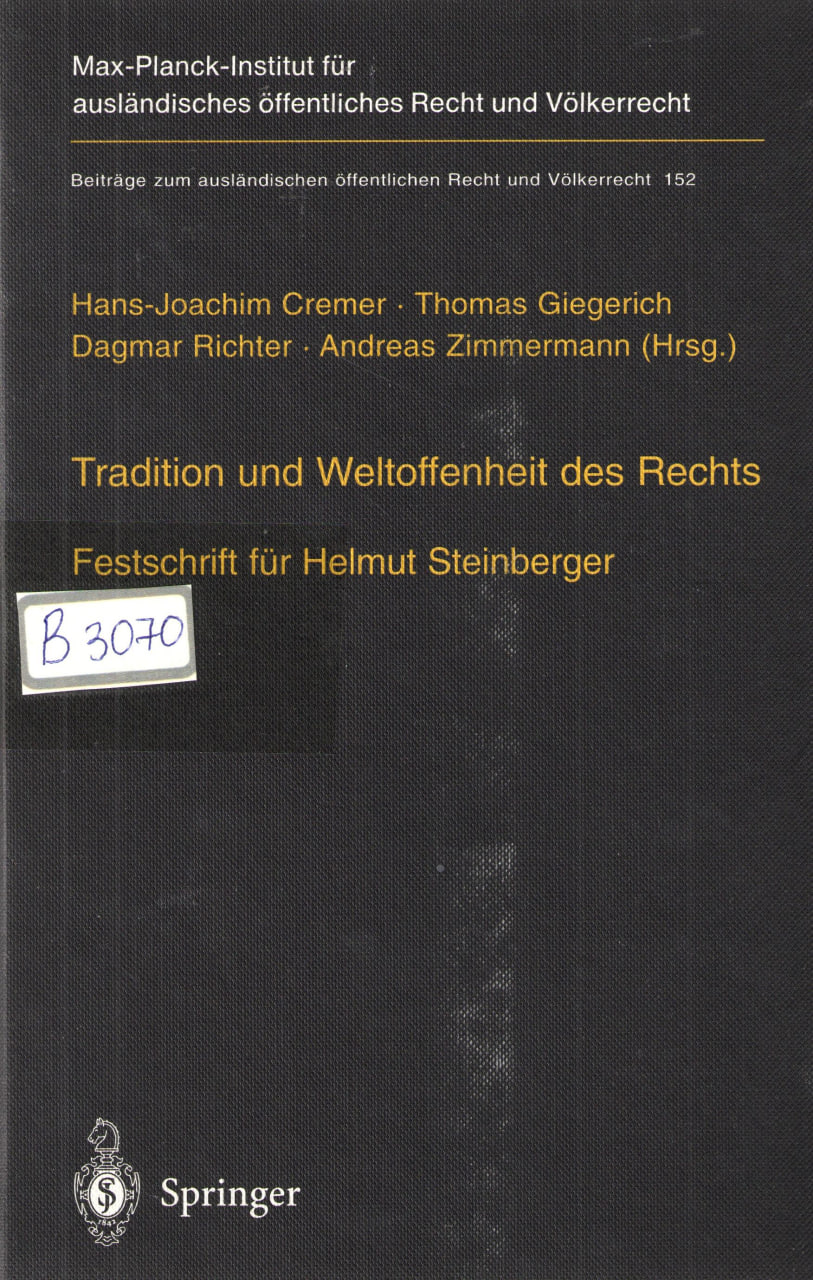
Tradition und Weltoffenheit des Rechts
Richter D.,Dieses Werk ist urheberrechtlich geschützt. Die dadurch begründeten Rechte, insbeson- dere die der Übersetzung, des Nachdruckes, des Vortrags, der Entnahme von Abbildungen und Tabellen, der Funksendung, der Mikroverfilmung oder der Vervielfältigung auf anderen Wegen und der Speicherung in Datenverarbeitungsanlagen, bleiben, auch bei nur auszugsweiser Verwertung, vorbehalten. Eine Vervielfältigung dieses Werkes oder von Teilen dieses Werkes ist auch im Einzelfall nur in den Grenzen der gesetzlichen Bestim- mungen des Urheberrechtsgesetzes der Bundesrepublik Deutschland vom 9. September 1965 in der jeweils geltenden Fassung zulässig. Sie ist grundsätzlich vergütungspflichtig. Zuwiderhandlungen unterliegen den Strafbestimmungen des Urheberrechtsgesetzes.
-
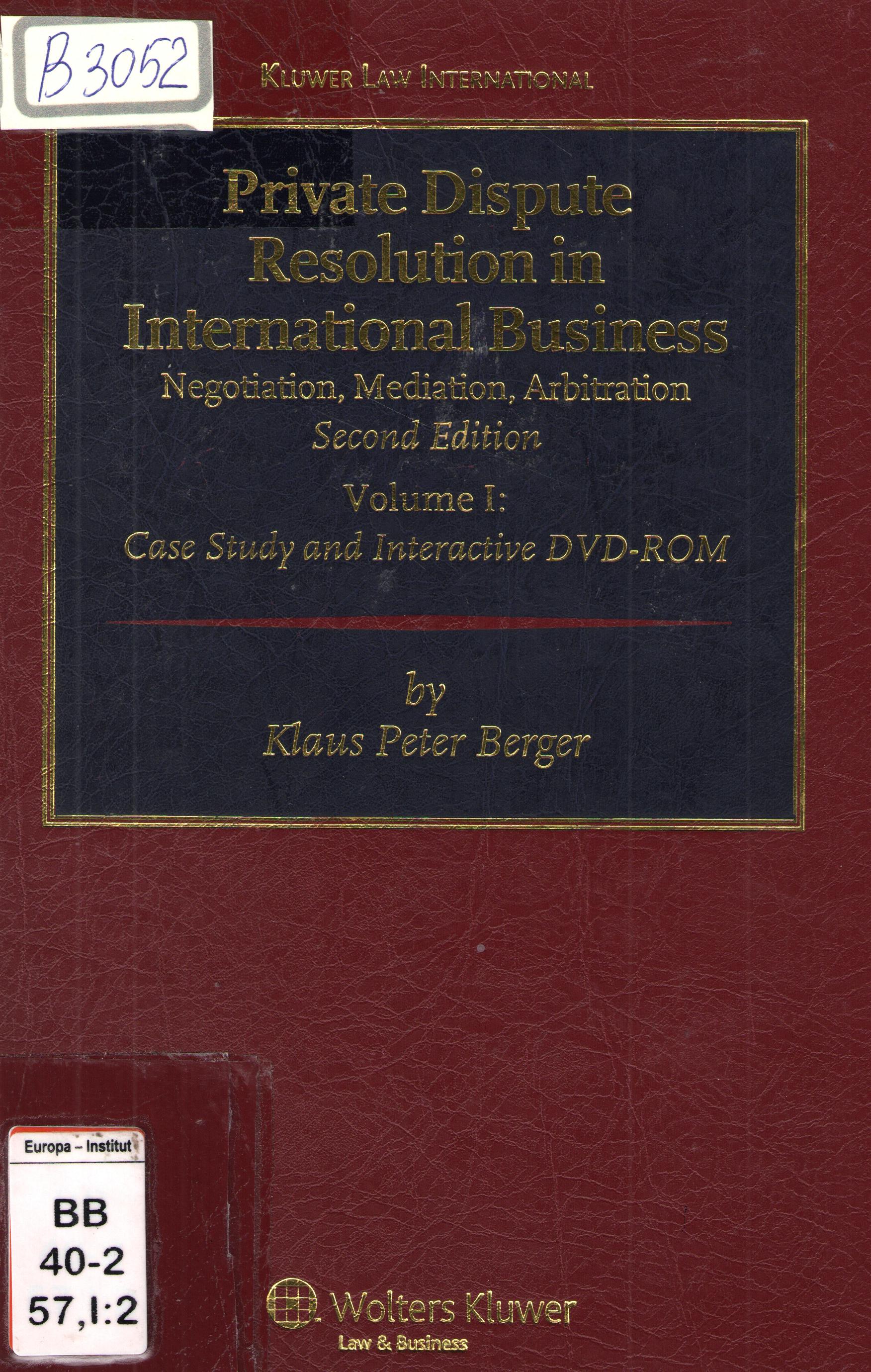
Private dispute Resolution in International Business
Berger K.,All rights reserved. No part of this publication may be reproduced, stored in a retrieval system, or transmitted, in any form or by any means, without the prior permission in writing of Oxford University Press, or as expressly permitted by law, by licence or under terms agreed with the appropriate reprographics rights organization. Enquiries concerning reproduction outside the scope of the above should be sent to the Rights Department, Oxford University Press, at the address above.
-
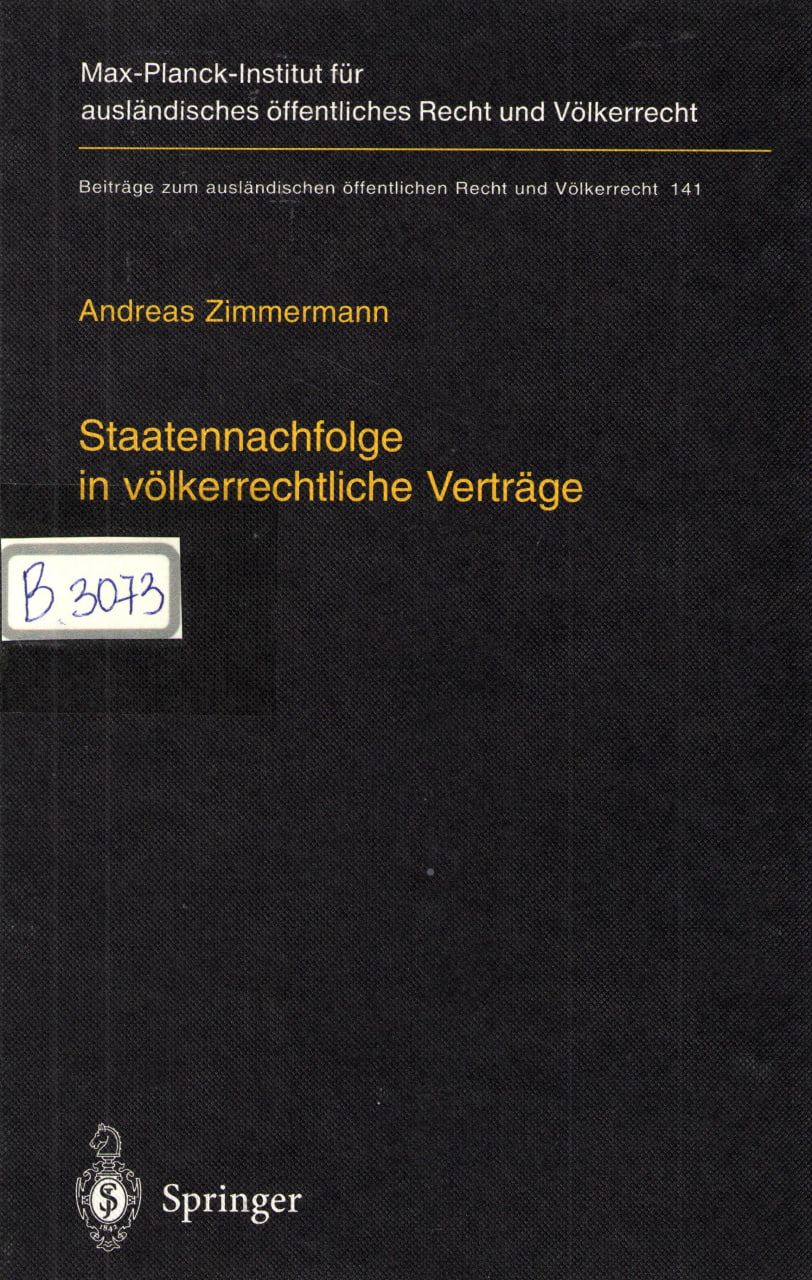
Staatennachfolge in vo'lkerrechtliche Vertra'ge
Zimmermann A.,Dieses Werk ist urheberrechtlich geschützt. Die dadurch begründeten Rechte, insbeson- dere die der Übersetzung, des Nachdruckes, des Vortrags, der Entnahme von Abbildungen und Tabellen, der Funksendung, der Mikroverfilmung oder der Vervielfältigung auf anderen Wegen und der Speicherung in Datenverarbeitungsanlagen, bleiben, auch bei nur auszugsweiser Verwertung, vorbehalten. Eine Vervielfältigung dieses Werkes oder von Teilen dieses Werkes ist auch im Einzelfall nur in den Grenzen der gesetzlichen Bestim- mungen des Urheberrechtsgesetzes der Bundesrepublik Deutschland vom 9. September 1965 in der jeweils geltenden Fassung zulässig. Sie ist grundsätzlich vergütungspflichtig. Zuwiderhandlungen unterliegen den Strafbestimmungen des Urheberrechtsgesetzes. by Max-Planck-Gesellschaft zur Forderung der Wissenschaften e. V., to be exercised by Max-Planck-Institut für ausländisches offentliches Recht und Völkerrecht, Heidelberg 2000